
Artesia is the smallest city in our service area at roughly 1.6 square miles, and it has two quite separate roofing markets inside that footprint.
The first is the Pioneer Boulevard commercial district, the Little India corridor, which concentrates a dense run of older single-story and two-story storefronts into a few blocks. These are low-slope roofs sitting behind parapet walls, and the parapet is almost always where they fail. Counterflashing at the parapet is frequently the original detail from decades ago, and when it goes, water tracks down behind the wall and emerges inside with no obvious hole anywhere on the roof surface. Owners chase these leaks for years. The fix is re-detailing the parapet properly, and we schedule the work around trading hours because the corridor is busy most of the week.
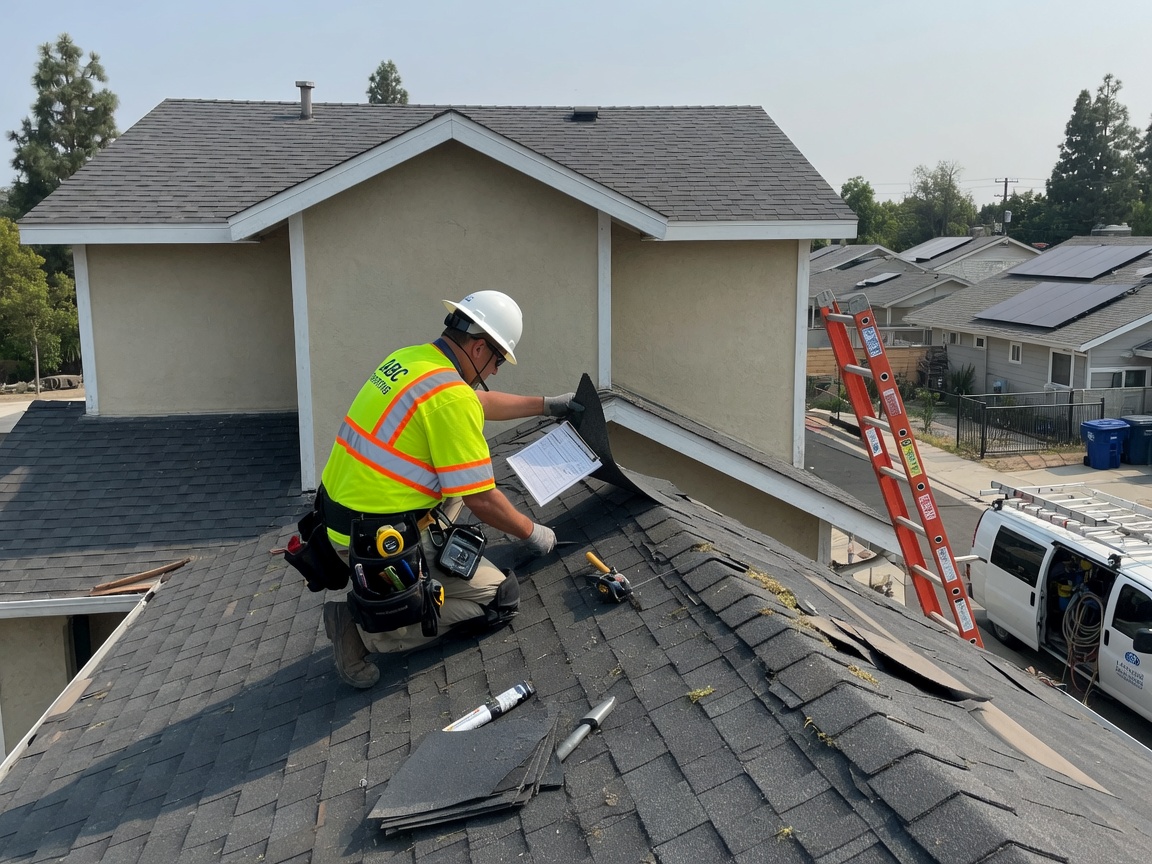
The second is the residential side, which is mostly 1950s and 1960s single-story on modest lots, with some older properties surviving from the city's dairy farming era. Composition shingle dominates and the roofs are refreshingly straightforward: simple gables, workable pitches, easy access. No hillside staging, no historic district review, no HOA product lists.
Being this small has one practical advantage worth stating. Artesia has few roofers actually based in the city, so most work here is done by contractors driving in from elsewhere. We are close enough that response time on an active leak is measured in minutes rather than the better part of a day.
Around Artesia
We regularly work near:
- 📍Pioneer Boulevard Little India district
- 📍Artesia Park
- 📍AJ Padelford Park
- 📍Artesia Historical Museum
- 📍Albert O. Little Community Center
- 📍Artesia City Hall
Roofing Lakewood Ca in Artesia — Local Notes
- •At roughly 1.6 square miles it is the smallest city in the service area, with few roofers actually based locally.
- •The Pioneer Boulevard commercial corridor concentrates a dense run of low-slope storefront roofs behind parapet walls.
- •Parapet counterflashing failure is the dominant commercial leak pattern here, and it presents inside with no visible roof damage.
- •Residential stock is mainly 1950s and 1960s single-story composition shingle on modest lots with easy access.
- •Some older properties survive from the city's dairy farming period and need assessing on their own terms.